Health and Safety Policy for Cleaners Watford
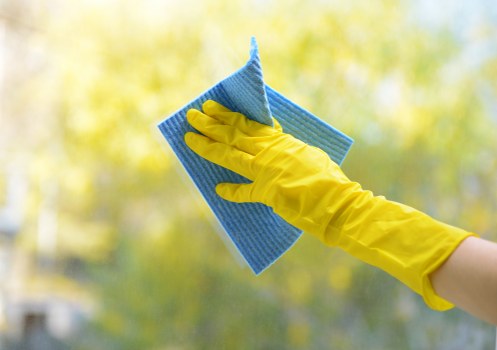 Health and safety is central to every professional cleaning task. This policy sets out how cleaners in Watford can work carefully, reduce risk, and protect clients, colleagues, and the public. It applies to routine domestic, commercial, and specialist cleaning activities, with a focus on safe working methods, proper supervision, and responsible use of equipment.
Our approach is built on prevention. By identifying hazards early and following clear controls, a cleaning team can avoid injuries, property damage, and unnecessary disruption. Every cleaner must understand the risks involved in their duties and act with due care at all times. Safety is not an additional step; it is part of the job itself.
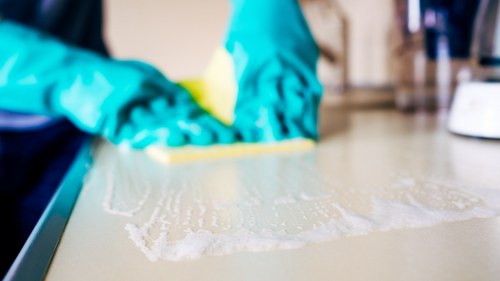 The main hazards in cleaning work include slips, trips, falls, manual handling strain, exposure to chemicals, electrical risks, and contact with contaminated surfaces. These risks can be managed through training, planning, and the correct use of personal protective equipment. Cleaners Watford should never assume a task is low risk simply because it is familiar.
Before starting any task, a suitable assessment should be made of the area, the equipment needed, and the condition of surfaces. Spills, poor lighting, broken fixtures, and obstructed walkways must be addressed before work begins. Where a hazard cannot be removed immediately, the area should be isolated or clearly marked so that others are protected.
Manual handling must be carried out safely to prevent back injuries and strains. Cleaners should use correct lifting techniques, avoid overfilled buckets, and request assistance for awkward or heavy items. Equipment should be selected to reduce physical effort where possible, and repetitive movements should be managed through task rotation and sensible scheduling.
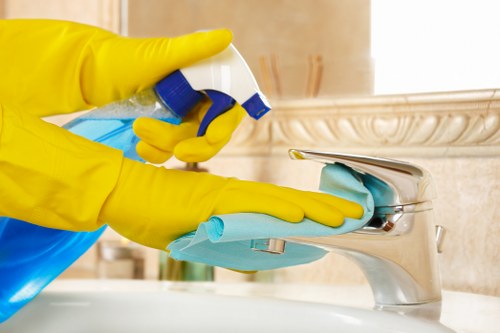 Chemical safety is another essential part of this policy. All products must be used according to instructions, stored securely, and kept in their original containers where practical. Different substances should never be mixed unless the manufacturer states it is safe to do so. Gloves, eye protection, and ventilation should be used when required, especially when working with stronger cleaning agents or in enclosed areas.
Training and supervision are vital to safe working. Every cleaner should receive induction training covering emergency procedures, correct equipment use, safe chemical handling, and reporting expectations. Refresher training should be provided when new products, methods, or equipment are introduced. Managers and supervisors must ensure that workers understand their responsibilities and are confident in carrying them out.
Electrical safety must also be respected. Before use, all powered equipment should be checked for visible damage, loose wires, or signs of wear. Cables should be positioned to avoid trip hazards, and equipment should be switched off before cleaning, adjusting, or moving it. Cleaning staff should not use faulty items and must report defects immediately so that repairs or replacement can be arranged.
Personal protective equipment, often called PPE, should be supplied and used wherever it reduces risk. This may include gloves, aprons, masks, goggles, or slip-resistant footwear depending on the task. PPE must be clean, suitable for the job, and maintained in good condition. It should not be viewed as a substitute for safe systems of work, but as an extra layer of protection.
Good housekeeping helps prevent incidents and supports efficient working. Tools should be stored neatly, waste should be removed promptly, and cleaning materials should not be left where they may create hazards. Organised workplaces make it easier to work safely and help reduce stress, confusion, and avoidable mistakes. A tidy work area is a safer work area.
Emergency readiness is part of a strong safety culture. Cleaners must know what to do in the event of fire, injury, chemical exposure, or a major spill. First aid materials should be available where appropriate, and incidents must be reported without delay. Quick and calm action can limit harm, protect others, and support proper follow-up investigations.
 Another important responsibility is infection control. When cleaning washrooms, kitchens, healthcare-adjacent areas, or other high-contact spaces, workers should follow hygienic practices carefully. Colour-coded materials, regular handwashing, and correct waste disposal all help reduce cross-contamination. If a surface is visibly contaminated, it should be cleaned and disinfected using the correct process for the setting.
We expect all cleaners to take responsibility for their own safety and the safety of others. This includes speaking up about hazards, following instructions, and refusing to continue if a task becomes unsafe. Managers must encourage open reporting so that problems can be addressed early and lessons can be learned. A proactive safety culture is more effective than relying on correction after an incident.
Accident reporting should be accurate, timely, and factual. Any injury, near miss, unsafe condition, or equipment failure must be recorded according to internal procedures. Records help identify patterns, improve controls, and reduce the chance of repeat incidents. They also support compliance, accountability, and continuous improvement across all cleaning operations.
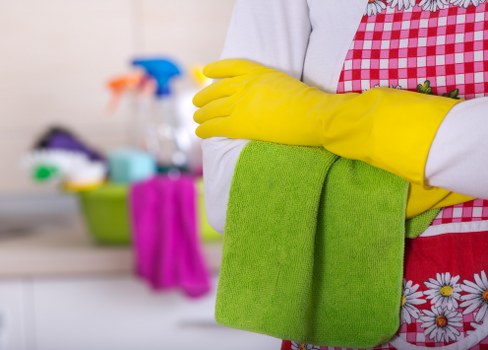 Cleaners Watford should apply this policy consistently in every setting, adapting safe methods to suit the environment while keeping the same high standards. When health and safety is treated as a shared responsibility, cleaning work becomes more reliable, professional, and secure for everyone involved. The aim is simple: protect people, reduce risk, and maintain safe, effective cleaning at all times.