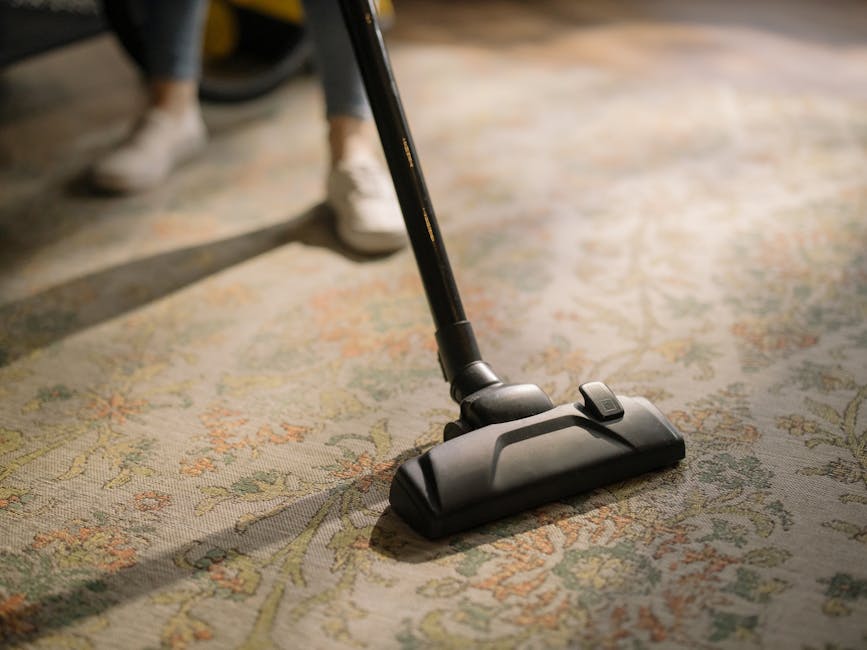
Cassiobury Park Deep Cleaning Guide for Watford Homes
If your home feels a bit flat after a busy season, a proper deep clean can make all the difference. This Cassiobury Park deep cleaning guide for Watford homes is designed for real-life households: muddy shoes after a park walk, pet hair in the corners, kitchen grime that builds up quietly, and the kind of dust you only notice when the sun lands on the skirting boards at 4 p.m. It's not about perfection. It's about getting your home back to a level that feels fresh, calm, and genuinely comfortable.
Watford homes near Cassiobury Park often face a familiar mix of outdoor debris, wet-weather mess, and everyday indoor buildup. In this guide, you'll find a practical approach to deep cleaning, how it works, what to prioritise, common mistakes to avoid, and when it makes sense to bring in professional help. You'll also see how a deep clean connects with services like deep cleaning, carpet cleaning, and oven cleaning when a standard tidy-up just isn't enough.
Table of Contents
- Why this guide matters
- How deep cleaning works in practice
- Key benefits and practical advantages
- Who this is for and when it makes sense
- Step-by-step guidance
- Expert tips for better results
- Common mistakes to avoid
- Tools, resources and recommendations
- Law, compliance, standards and best practice
- Options, methods, or comparison table
- Case study or real-world example
- Practical checklist
- Conclusion
- Frequently asked questions
Why Cassiobury Park deep cleaning guide for Watford homes Matters
Cassiobury Park is one of those places that makes Watford feel lived in and loved. You come home with grass on trainers, damp hems, and sometimes the faint smell of wet leaves lingering in a hallway. Nice for a Sunday stroll, less charming on the rug. That's exactly why a local deep cleaning plan matters: it deals with the mess that a normal weekly clean often misses.
Deep cleaning is especially useful in homes that get a lot of foot traffic, have pets, or sit close to busy outdoor routes. Dust settles behind radiators. Grease builds on kitchen cabinets. Bathroom limescale sneaks in even when you are cleaning regularly. Truth be told, most homes don't need constant heavy cleaning, but they do need a proper reset now and then.
It also matters because a deep clean helps you spot maintenance issues early. A stubborn stain might reveal a worn patch in carpet. A musty smell might point to damp airflow or neglected upholstery. Catching those things early saves hassle later. And yes, it can also make the place feel lighter in a way that is oddly satisfying.
Expert summary: A good deep clean is not just a bigger tidy. It is a room-by-room reset that removes built-up dirt, tackles forgotten surfaces, and restores the parts of your home daily cleaning never quite reaches.
How Cassiobury Park deep cleaning guide for Watford homes Works
A proper deep clean follows a sequence. That sequence matters because cleaning in the wrong order usually means you end up doing jobs twice. Start high, finish low. Dry debris first, wet work second. Light cleaning before detail work. Simple, but easy to get wrong when you are in a rush.
For most Watford homes, the process begins with a quick survey of problem areas. Think hallway mats, skirting boards, kitchen splash zones, bathroom fittings, upholstery, and any carpeted room that sees daily wear. Then the work is broken into sections so no room gets half-done and forgotten. A structured approach is usually the difference between "looks okay" and "actually feels clean."
Professional cleaners often combine general deep cleaning with targeted extras. For example, a home with an old sofa might benefit from upholstery cleaning, while a family with pets may need pet stain and odour removal. A property with hard floors and muddy entrances may need hard floor cleaning as part of the same visit.
There is also a difference between surface cleaning and extraction-based methods. Surface cleaning removes visible soil. Extraction or steam-based treatment goes deeper into fibres and textured surfaces. In homes with heavy use, especially around living rooms and stairs, that deeper pass can make a noticeable difference.
Key Benefits and Practical Advantages
One of the biggest benefits is that a deep clean creates momentum. Once the kitchen, bathroom, carpets, and soft furnishings are sorted, the rest of the home suddenly feels easier to keep under control. You spend less time fighting the same dust, grease, or grime every week. That is a real relief, especially in busy households.
There are practical advantages too:
- Better hygiene: Deep cleaning removes buildup in places that are easy to overlook, such as taps, switches, handles, and corners.
- Improved appearance: Rooms look brighter when limescale, grease, and surface dust are removed.
- Less odour: Fabric and carpet cleaning can help reduce stale or trapped smells.
- Longer life for finishes: Floors, upholstery, and fabrics tend to last better when dirt is not left to grind in.
- Less stress before events: Useful before guests, move-in days, or tenancy inspections.
There is also a less obvious benefit: clarity. A clean home makes it easier to notice what really needs attention. You stop guessing. You can see where the job is done and where it is not. That sounds small, but it helps.
Who This Is For and When It Makes Sense
This guide is for anyone in Watford who wants a home reset rather than a quick spruce-up. It is especially relevant if you live near Cassiobury Park and regularly bring in outdoor dirt, but it also works just as well for flats, family houses, rental homes, and period properties with more detailed finishes.
Deep cleaning makes sense when:
- you have not had a professional clean in several months
- you are moving in or moving out
- you are preparing for guests, family visits, or a special occasion
- you have children, pets, or both
- you have noticed smells, stains, or stubborn buildup
- you want to support a regular cleaning routine with a stronger reset
It is also useful if you are comparing one-off help with recurring support. A home that needs this kind of reset once in a while might be better suited to one-off cleaning, while households that need steadier upkeep may prefer regular cleaning. To be fair, many people end up using a blend of both over the year.
Step-by-Step Guidance
Here is a practical, no-nonsense way to approach a deep clean at home. Not every house needs every step, but this order works well in most cases.
- Declutter first. Put away toys, clothes, paperwork, shoes, and loose items so you can reach the surfaces properly. Deep cleaning around clutter is frustrating and inefficient.
- Work from top to bottom. Dust ceiling corners, light fittings, shelves, and tops of units before tackling lower surfaces.
- Clean the kitchen in stages. Start with cupboards, splashbacks, handles, and high-touch areas. Then move to appliances. A grease-heavy room often needs extra attention around the hob and inside the oven.
- Target bathrooms carefully. Use suitable products for limescale, soap residue, and grout. Take your time on taps, seals, and shower screens.
- Refresh soft furnishings. Vacuum sofas, mattresses, curtains, and rugs thoroughly. If fabric smells stale or looks patchy, specialist treatment can help.
- Deep clean floors last. This avoids re-soiling cleaned areas with dust and debris from upper surfaces.
- Finish with ventilation. Open windows where possible and let everything dry properly. Fresh air does a lot more than people give it credit for.
If you are cleaning a lived-in family home near the park, you may find the hallway and living room need the most attention. Mud, leaves, and fine grit tend to travel. They really do get everywhere.
A simple room-by-room order that works
- Hallway and entry points
- Kitchen
- Bathroom and WC
- Bedrooms
- Living room
- Stairs and landing
- Final floor clean
Expert Tips for Better Results
First, use the right cleaner for the right surface. That sounds obvious, but it is where a lot of damage starts. Strong products on delicate surfaces can dull finishes, leave marks, or create residue. Always test in a small area if you are unsure. Better safe than sorry, honestly.
Second, let products dwell for a sensible amount of time. If you wipe instantly, you often remove the cleaner before it has had a chance to loosen grime. Especially in kitchens and bathrooms, a short wait can make scrubbing far easier.
Third, vacuum slowly. Fast vacuuming looks efficient but misses embedded dust in carpets and upholstery. A slower pass, especially on stairs and under furniture edges, is much better. Small detail, big payoff.
Fourth, don't forget the hidden touchpoints: door handles, sockets, skirting tops, radiator edges, cupboard pulls, and the tops of door frames. These are the bits that make a room feel properly finished. You notice them more than you think.
Finally, combine deep cleaning with maintenance where needed. If a room has recurring carpet marks, stain removal may be more effective than repeated scrubbing. If your curtains are holding onto dust, curtain cleaning can freshen a room more than a quick vacuum ever will.
Common Mistakes to Avoid
One common mistake is starting with the floors. It feels productive, but you end up dropping dust and debris back onto areas you have already cleaned. That becomes a sort of domestic boomerang, which nobody needs.
Another is using too much product. More cleaner does not always mean better results. It can leave sticky residue, attract more dirt, or require extra rinsing. Use what you need, not what looks impressive in the bottle.
People also tend to rush fabric care. Sofas, rugs, and mattresses need a different approach to hard surfaces. If you treat them like tiles, the results can be disappointing or worse. For those areas, services like sofa cleaning, rug cleaning, and mattress cleaning are often the safer route.
And then there is the classic mistake: forgetting ventilation. A room can look spotless and still feel heavy if moisture lingers after cleaning. Windows open a bit, fans on if needed, and give surfaces time to dry.
Tools, Resources and Recommendations
You do not need an industrial setup to deep clean well. But having the right tools makes the job less tiring and more effective.
| Area | Useful tools | Best approach |
|---|---|---|
| Kitchen | Microfibre cloths, degreaser, scraper, brush | Soak grime, then work in sections |
| Bathroom | Limescale remover, non-scratch sponge, grout brush | Let products sit briefly before wiping |
| Carpets and rugs | Vacuum, spot cleaner, extraction machine if available | Vacuum slowly and treat stains early |
| Upholstery | Fabric-safe cleaner, soft brush, absorbent cloth | Blot rather than scrub |
| Hard floors | Suitable mop, neutral cleaner, dry cloth | Avoid soaking joints or seams |
If you are dealing with larger or more awkward jobs, professional help can save time and reduce risk. For example, after home improvements, after builders cleaning can remove fine dust that seems to return no matter how many times you wipe. For tenancy transitions, end of tenancy cleaning and move in cleaning are both worth considering.
For homes with a lot of fabric, combined treatment may make more sense than tackling each item separately. Carpet, upholstery, and upholstery-adjacent items often respond best when treated as part of one overall refresh rather than in isolation.
Law, Compliance, Standards, or Best Practice
For ordinary household cleaning, there is no special legal framework you need to master just to keep your home clean. Still, best practice matters. In the UK, it is wise to follow product labels, use chemicals safely, keep them away from children and pets, and avoid mixing products unless the instructions clearly allow it. Simple rules, but important ones.
If you hire a cleaning company, a few trust signals are worth checking. Look for clear information about insurance and safety, practical policies, and transparent terms and conditions. That does not guarantee everything will be perfect, of course, but it does show the business takes responsibility seriously.
You may also want to understand how a provider handles sustainability and waste reduction. A sensible approach to product choice, water use, and disposal can make a real difference. If that matters to you, it is worth reading a company's recycling and sustainability information. And if payment process or privacy is on your mind, those should be clearly explained too, not hidden away in tiny print.
For commercial or shared spaces, additional expectations can apply depending on the property and its use. In those cases, services such as communal area cleaning or commercial cleaning are usually chosen to support wider hygiene routines and occupancy standards.
Options, Methods, or Comparison Table
Not every home needs the same kind of clean. The right method depends on the level of build-up, the materials in the home, and how fast you need results. Here is a simple comparison.
| Method | Best for | Strengths | Limitations |
|---|---|---|---|
| DIY deep clean | Light to moderate build-up | Flexible, low cost, good for routine resets | Time-consuming, less effective on heavy grime |
| Targeted specialist cleaning | Carpets, sofas, ovens, stain-prone areas | Better results on problem items | May not cover the whole home |
| Whole-home professional deep clean | Busy homes, move-ins, move-outs, big resets | Fast, thorough, less stressful | Higher upfront spend than DIY |
Choosing the right option is really about what is bothering you most. If the kitchen is the issue, a focused service may do the trick. If every room feels tired, a whole-home deep clean is usually more satisfying. Sometimes the honest answer is: do both, just not all at once.
Case Study or Real-World Example
A typical Watford household near Cassiobury Park might have two adults, a child, and a dog who thinks every wet path is an invitation. After a few rainy weeks, the hallway starts collecting grit. The sofa gets a faint dog smell. The kitchen floor loses its shine. Nothing dramatic, just that slow build-up most people notice one evening when they switch on the lights and think, "Right, this place needs sorting."
In a case like that, the cleaning plan would usually begin with the entrance, then move through the kitchen and living room before finishing with the soft furnishings. The carpet in the hallway would get close attention. The sofa would need fabric-safe treatment. The kitchen would need degreasing around handles, switches, and the hob. No single miracle step. Just a methodical pass, done properly.
What tends to surprise people is how much difference the final details make. Once skirting boards are wiped, fabrics are refreshed, and the floor edges are clean, the home feels calmer. It is not just "cleaner." It feels more cared for. That matters when you actually live there, day after day.
Practical Checklist
Use this checklist before, during, or after your deep clean. It keeps the job from drifting into chaos.
- Declutter surfaces and floors first
- Open windows for airflow where possible
- Gather the right cloths, brushes, and cleaners
- Start with dusting and dry debris removal
- Work from higher surfaces down to lower ones
- Clean kitchen grease points and bathroom buildup carefully
- Vacuum carpets, rugs, and upholstery slowly
- Treat visible stains before they settle in
- Wash or wipe touchpoints such as handles and switches
- Finish with floors and final ventilation
- Check for missed spots in natural daylight
- Repeat problem areas rather than rushing past them
If you are short on time, focus first on the rooms that affect everyday comfort most: kitchen, bathroom, hallway, and main living space. That gives you the biggest lift for the least effort. Not glamorous, but effective.
Get a free quote today and see how much you can save.
Conclusion
A good deep clean is not about chasing perfection or turning your home into a showroom. It is about creating breathing room. Especially in a busy Watford home near Cassiobury Park, the mix of outdoor mess and everyday wear can build up quietly until the house just feels off. Once you know what to target, the whole process becomes much more manageable.
Use the structure in this guide, keep an eye on problem areas, and do not underestimate the value of specialist help where fabrics, ovens, or carpets are involved. A home that feels fresh is easier to enjoy, easier to maintain, and easier to relax in. That bit matters more than people admit.
And if you are standing in the hallway looking at muddy footprints right now, well, you are not alone. Happens to the best of us.
Frequently Asked Questions
What is included in a deep clean for a Watford home?
A deep clean usually includes detailed cleaning of kitchens, bathrooms, floors, skirting boards, touchpoints, and neglected areas behind or beneath furniture. It often also covers harder jobs like ovens, carpets, and upholstery if requested.
How often should I deep clean a home near Cassiobury Park?
That depends on how busy the home is. Many households do a deeper reset a few times a year, while homes with pets, children, or high foot traffic may need it more often. There is no single perfect schedule.
Is deep cleaning different from regular cleaning?
Yes. Regular cleaning keeps on top of routine mess, while deep cleaning targets buildup, hidden dirt, and details that are easy to miss. It is more thorough and usually takes longer.
Can I do a full deep clean myself?
You can do a lot yourself if you have the time, tools, and patience. But some jobs, like heavy carpet soiling, mattress refreshes, or stubborn oven grime, are often easier with specialist help.
What rooms should I start with first?
Most people start with the kitchen or hallway because those areas show dirt fastest and affect the whole feel of the home. Bathrooms are often next, then living spaces and bedrooms.
How long does a deep clean take?
It varies a lot depending on the size of the property and how much buildup there is. A small flat can be quite different from a full family house. The more clutter and grime, the longer it takes.
Do I need carpet cleaning as part of a deep clean?
Not always, but it is often a smart addition if carpets look dull, hold smells, or have visible marks. A deep clean can improve a room, but carpet care often makes the biggest visual difference.
What if my sofa or rugs smell stale?
That usually means dust, moisture, or everyday use has settled into the fibres. Specialist fabric care such as sofa or rug cleaning can help refresh them without damaging the material.
Is deep cleaning useful before moving in or out?
Absolutely. Move-in and move-out situations are some of the best times for a full deep clean, because you want the property fresh, neutral, and ready for the next stage. It removes old residue and makes inspection easier too.
How do I know if a cleaning company is trustworthy?
Look for clear information about safety, insurance, service scope, and terms. Transparency matters. A company that explains what it does, what it does not do, and how it handles concerns is usually a better bet.
What is the biggest mistake people make when deep cleaning?
Rushing. People often skip prep, use too much product, or clean in the wrong order. The result looks fine at first glance, but the room still feels unfinished. Slow down a bit and the outcome improves quickly.
Can deep cleaning help with pet smells and muddy floors?
Yes, especially when you combine floor care, fabric cleaning, and odour-focused treatment. For homes with pets, a targeted approach usually works much better than a quick surface wipe. The smell tends to hide in fabrics and edges.